
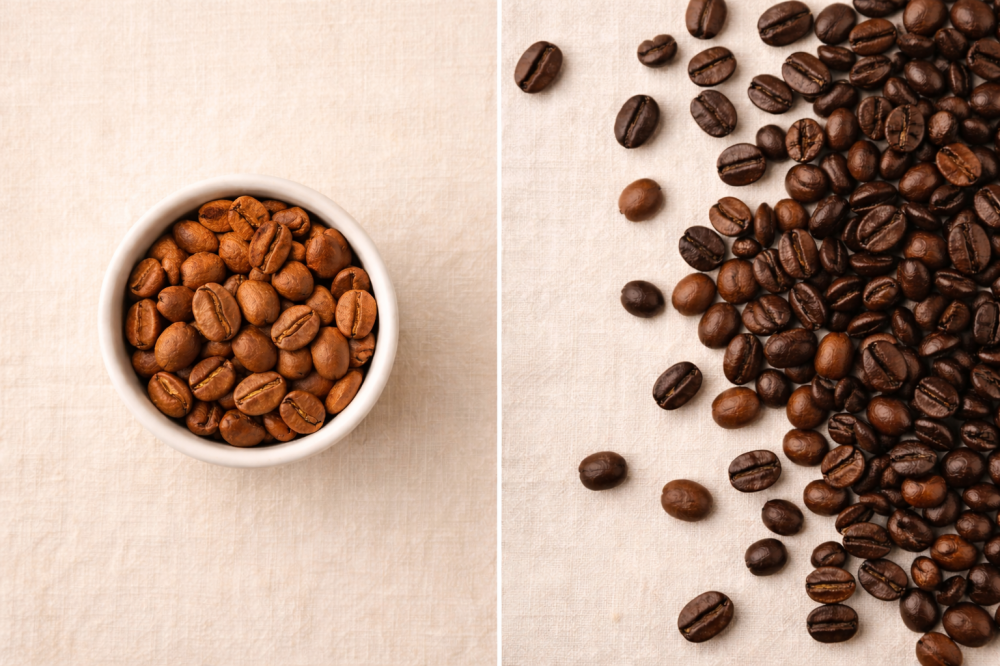
Have you ever paid double for a cup of coffee and wondered what the real difference is? Specialty coffee isn't just a fancy label; it's an entire philosophy of growing, roasting and brewing. In this guide, we reveal the real difference between specialty and regular coffee so you can decide for yourself which one suits you.
What Is Specialty Coffee, and How Is It Different from Regular Coffee?
Specialty coffee is high-quality coffee that professional tasters score highly (usually 80 points or more out of 100). It's grown and harvested with great care and goes through precise processing designed to bring out the best possible flavors.
Regular coffee, also called commercial coffee, is the coffee consumed on a large scale and widely available in stores. It's grown and processed using conventional methods, often focusing on quantity over quality. Different types of beans are used and roasted uniformly, without much focus on highlighting unique flavors.
Key Differences Between Specialty and Regular Coffee
1. Quality and Origin
- Specialty coffee: grown in specific regions known for ideal coffee-growing conditions, such as Ethiopia, Colombia and Kenya, with attention to quality and detail at every stage of production.
- Regular coffee: grown in many different regions and often blended from multiple sources. Quality can vary widely, as the focus is on mass production.
2. Farming and Processing
- Specialty coffee: relies on sustainable, precise farming and processing. Cherries are hand-picked and processed using methods such as natural drying or washed processing to highlight specific flavors. Learn more about coffee processing methods.
- Regular coffee: usually harvested mechanically and processed with fast, conventional methods focused on productivity and efficiency.
3. Roasting and Flavor
- Specialty coffee: roasted in small batches by skilled roasters who aim to reveal unique, complex flavors, ranging from fruity to spicy and floral. See how roast levels shape your cup.
- Regular coffee: roasted in large batches, usually medium to dark, to mask defects and achieve a consistent taste. The flavor is typically strong and bitter.
4. The Sensory Experience
- Specialty coffee: served as a complete sensory experience, with baristas paying close attention to brewing and presentation. It encourages a culture of tasting and discovering different flavors.
- Regular coffee: served as a quick, easy source of caffeine. The experience is usually simpler and focused on convenience.
5. Price
- Specialty coffee: usually more expensive because of its focus on quality and the careful work involved in farming, processing and roasting.
- Regular coffee: cheaper and widely available, thanks to high productivity and low production costs.
Is Specialty Coffee Worth the Higher Price?
That's the question everyone asks when they first see the price difference. The honest answer: it depends on what you're looking for.
If coffee is just your morning dose of caffeine, regular coffee does the job perfectly. But if you're looking for an experience, a cup that changes every day, tells the story of a place somewhere in the world and surprises you with unexpected flavors, the price difference makes complete sense. For a detailed breakdown, see our guide to specialty coffee prices in Saudi Arabia.
Think of it this way: the difference between specialty and regular coffee is like the difference between premium extra virgin olive oil and ordinary vegetable oil. Both do the job, but one takes the experience to a completely different level.
Common Myths About Specialty Coffee
Myth #1: "It's only for experts and connoisseurs."
Not at all. Specialty coffee is for anyone who wants a better cup; you don't need any background or prior knowledge. Your first cup will teach you everything you need to know.
Myth #2: "You have to drink it without sugar or milk."
There are no rules here. Specialty coffee is often served without additions because its natural flavors are rich enough, but if you want to add milk or sugar, that's entirely up to you.
Myth #3: "It's all bitter and sour."
Quite the opposite. Specialty coffee, especially light and medium roasts, is known for natural sweetness and refreshing, fruit-like acidity, far from harsh bitterness.
Myth #4: "The higher price is just marketing."
The price reflects a real process: hand-picking, careful processing, small-batch roasting and a short supply chain that ensures fresh beans reach your hands. Every step involves cost and care.
Want to go deeper? Read our complete guide to specialty coffee, discover what microlot coffee is, or find out what the best specialty coffee is.
Order Microlot specialty coffees now and enjoy distinctive flavors from Microlot!