
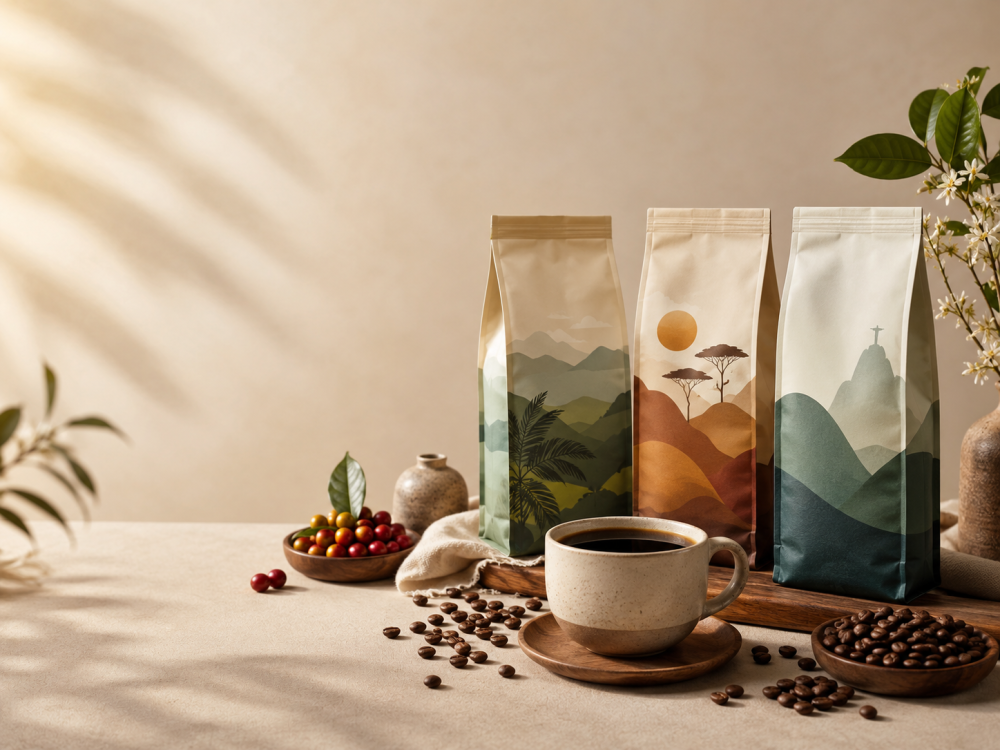
Choosing the best specialty coffee isn't only a matter of taste. Certain coffees share globally recognized qualities that make them among the best choices, and that's what this guide is about. We'll walk you through the best specialty coffees from around the world to help you choose the one that suits you best.
What Does Specialty Coffee Mean?
Before we reveal the world's best specialty coffees, here's a quick overview.
Specialty coffee is produced to precise standards from the farm through processing, roasting and brewing. A coffee is classified as specialty when its beans score 80+ points out of 100, with minimal defects and clear flavors that reflect its origin and high quality.
Learn more about specialty coffee and how it differs from regular coffee.
What Is the Best Specialty Coffee in the World?
Ethiopian coffee is often ranked as the best specialty coffee in the world. In cupping data from the Coffee Quality Institute compiled in a public coffee quality database, Ethiopia recorded the highest average quality score (around 84.88 out of 100), followed by countries such as Uganda, Colombia, El Salvador and Brazil. That's why Ethiopian coffee, Colombian coffee, Brazilian coffee, as well as Yemeni, Ugandan and Salvadoran coffees, are among the world's top choices for specialty coffee lovers.
Now let's look at each origin in detail.
1. Ethiopian Coffee
- Origin and growing conditions: Ethiopia is the birthplace of Arabica, and much of its coffee still grows semi-wild in forests and highlands such as Sidamo, Yirgacheffe and Guji, usually at 1,700–2,200 meters above sea level. This altitude, combined with a mild climate and volcanic soil, lengthens ripening and concentrates sugars and aromatic compounds in the beans.
- Processing and varieties: two main methods are common: natural and washed, usually with local heirloom varieties rather than modern hybrids. Natural processing boosts fruity flavors and sweetness, while washed processing makes flavors cleaner, with clearer acidity and aroma.
- Flavor: many specialty sources describe Ethiopian coffee as a standout example of complex fruity and floral coffee, with notes such as berries, citrus and jasmine, sometimes hints of black tea, bright acidity and a light to medium body. Explore the best Ethiopian coffee types.
- Popularity: Ethiopia is one of the most common origins in specialty cafés worldwide, often featured in filter menus and tastings thanks to its diverse regions. It's frequently recommended to anyone who wants to understand what makes specialty coffee special, and it's a favorite among lovers of fruity, aromatic flavors.
2. Colombian Coffee
- Origin and growing conditions: Colombia has vast growing areas across three Andean mountain ranges, at roughly 1,200–2,000 meters in regions such as Antioquia, Huila and Nariño. Its relatively strict quality standards for sorting and processing have helped build its reputation as one of the world's leading producers of high-quality coffee.
- Varieties and processing: common varieties include Typica, Caturra and Castillo, and many farmers use washed processing for a clean, balanced cup. Organized washing stations help keep quality consistent from season to season.
- Flavor: specialty guides describe Colombian coffee as balanced and easy to enjoy: medium acidity, caramel or sugary sweetness, light chocolate or hazelnut notes and a medium body. This balance makes it a great everyday coffee. See the best Colombian specialty coffees.
- Popularity: Colombian coffee is among the most widely consumed coffees in the world, both commercial and specialty, and is often used as a base for blends. If you're looking for a specialty coffee that pleases most palates, Colombia is usually the first choice.
3. Brazilian Coffee
- Origin and production: Brazil is the world's largest coffee producer and contributes significantly to specialty coffee through regions such as Cerrado Mineiro, Sul de Minas and Mogiana. Altitudes are lower than Ethiopia's (around 1,000–1,300 meters in many areas), but a stable climate and large-scale infrastructure deliver big, consistent harvests.
- Varieties and processing: common varieties include Bourbon, Catuai and Mundo Novo, with wide use of natural and pulped natural (honey) processing that enhances sweetness and body.
- Flavor: Brazilian specialty coffee is often sweet and low in acidity, with notes of chocolate, cocoa and nuts and a medium to full body. These qualities make it ideal for espresso and milk drinks, which is why many roasters use it as a base for successful blends. Discover the best Brazilian specialty coffees.
- Popularity: Brazil is a cornerstone of every coffee market and appears in most specialty cafés as a single origin or in blends. It's especially loved by those who prefer smooth, sweet coffee with minimal acidity, as filter or espresso.
4. Yemeni Coffee
- Origin and history: Yemen is one of the oldest coffee origins. Coffee was historically exported to the world through the port of Mocha, linking the name "Mocha" with high quality in early trade. Yemeni coffee is still grown on high mountain terraces in regions such as Haraz, Bani Matar and Al-Haymah, often at 1,700–2,200 meters, on small family-owned farms.
- Varieties and processing: most Yemeni coffee comes from ancient heirloom Arabica varieties and is usually processed naturally, dried on rooftops or traditional beds. Together with the relatively dry climate, this creates concentrated, often complex flavors.
- Flavor: specialty sources describe good Yemeni coffee as having dried-fruit notes such as dates and raisins, along with spices, cocoa and sometimes wine-like hints, medium acidity and a noticeable body. Its distinctive character, rarity and higher cost make it a "luxury" choice, often enjoyed as a special experience rather than an everyday coffee. Read more about Yemeni specialty coffee.
- Popularity: Yemeni coffee is hugely popular among Arab specialty coffee lovers and has a strong following as a rare, distinctive origin, often featured by specialty shops and brands that focus on history and small farms. It's not consumed at the scale of Ethiopia or Brazil, but it's highly sought after by enthusiasts chasing rare experiences.
5. Ugandan Coffee
- Origin and development: Uganda was historically known for Robusta, but in recent years high-quality Arabica production has expanded in highland areas such as Mount Elgon and the Rwenzori Mountains, with public and private support to improve quality. Uganda has become one of Africa's leading coffee exporters, with growing interest from the specialty market.
- Varieties and processing: Arabica varieties such as SL14 and SL28 are grown, often at 1,500–2,300 meters, using washed and natural processing. Improvements in harvesting and processing over the past decade have raised quality and allowed more harvests to qualify as specialty coffee.
- Flavor: specialty roasters describe Ugandan Arabica as fruity (berries or red fruit), with medium to high acidity, good body and sometimes chocolate in the background. It's a great choice if you want a lively African profile reminiscent of Ethiopian or Kenyan coffees, but with its own personality.
- Popularity: Ugandan coffee is still more of a rising star than a classic origin like Ethiopia or Colombia, but it increasingly appears on specialty roasters' single-origin menus and attracts coffee lovers who enjoy discovering new origins with great value.
Why These Origins Rank Among the Best
What places Ethiopia, Colombia, Brazil, Yemen, Uganda and El Salvador among the world's best specialty coffees isn't just popularity, but measurable factors: growing altitude, variety purity, processing methods and sensory scores based on Specialty Coffee Association standards, which only grant the "specialty" label to coffees scoring 80 points or more out of 100. When you choose coffee from these origins, you're relying not only on taste but on a complete quality journey from seedling to cup. To understand how these factors shape your cup, read 7 factors that affect coffee flavor.
After reading this long guide, you surely deserve an authentic cup of specialty coffee! Browse our specialty coffees at Microlot and choose your favorite.