
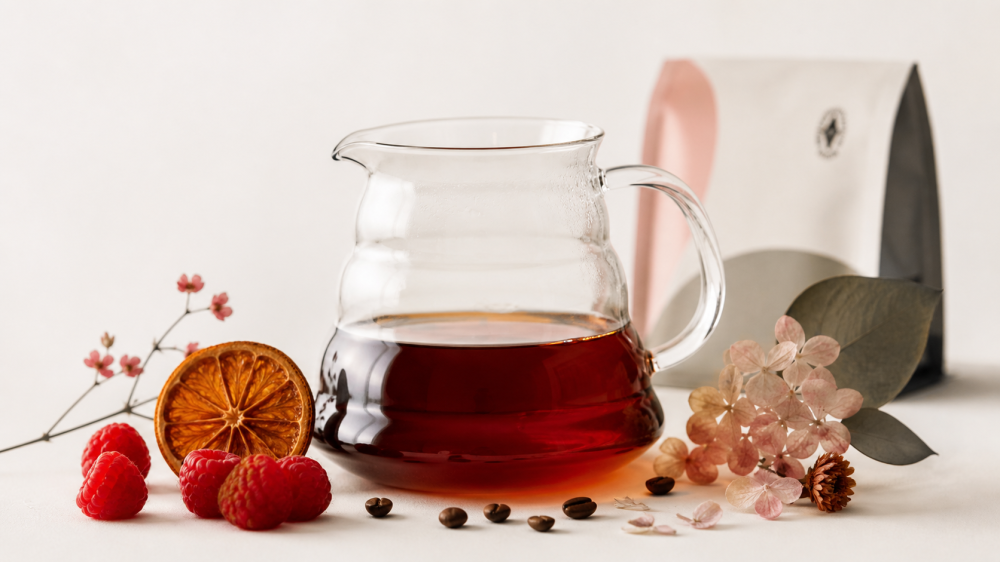
The way coffee's flavor and tasting notes change from one cup to the next is no coincidence. Sometimes fruity notes stand out; other times acidity takes the lead. This variety doesn't happen randomly: real factors shape a coffee's flavor and personality. If you want to find the flavors you love, understanding where coffee flavor comes from is the place to start.
What Factors Determine Coffee Flavor?
- Origin: the geographic home that defines the initial climate and environmental identity of a coffee.
- Terroir: the unique interaction of the natural environment (climate, soil, altitude, landscape) and its effect on the bean.
- Variety: the tree's genetic fingerprint, which defines the flavor potential inside the beans.
- Farming practices: how the tree is cared for (pruning, fertilizing, shade management) to ensure healthy, high-quality fruit.
- Processing: the post-harvest techniques (washed, natural, honey) that turn the cherry into green coffee and shape its final character.
- Roasting: the heat process that unlocks hidden flavors and sets the balance between acidity, sweetness and bitterness.
- Brewing: the equipment and extraction variables (grind, water quality, temperature) that translate everything above into the flavor in your cup.
Now that you know the factors behind coffee flavor, let's explore each one in detail.
1. Coffee Origin: Where the Story Begins
Origin is the geographic place where coffee is grown, and it's the first factor to leave its mark on your cup. Differences in climate, soil, altitude and surroundings from one country to another directly shape the notes and flavors we taste.
When we talk about origin, we don't just mean the country's name, but the environment the coffee grows in within that country, because every region has its own flavor personality. That's why one coffee may lean toward florals and fruit, another toward nuts and chocolate, and a third may balance sweetness and acidity beautifully.
How does origin affect coffee's tasting notes?
Origin sets the conditions the beans grow in from the very start: climate, altitude, soil and humidity. These elements don't just change the bean's shape; they directly affect the sweetness, acidity and body in your cup, as well as the notes that set each coffee apart. That's why each region carries its own "signature" you can recognize when tasting, even before you know its name.
Some examples:
- Ethiopia: often floral and fruity, with bright acidity and a light tea-like quality.
- Kenya: known for vibrant acidity and bold flavors such as blackcurrant, berries and grapefruit.
- Brazil: leans toward nuts, chocolate and caramel, with a full body and low acidity.
- Colombia: a clear balance of sweetness and acidity, with hints of chocolate, caramel and light fruit.
Compare two of the most popular origins in our guide to Colombian vs. Ethiopian coffee.
While origin clearly shapes flavor, it doesn't work alone. It gives coffee its first features and general direction, but the final picture in the cup is completed by variety, processing and roasting. Origin is where we start reading a coffee's personality, not the whole story.
2. Terroir
"Terroir" is a French word traditionally used in winemaking, literally meaning "land" or "soil." But its meaning goes much further: terroir is the natural fingerprint a place leaves on coffee, through the interaction of soil, altitude, climate and the farm's surroundings. These factors affect not only how the bean grows but also its final sweetness, acidity, body and notes in the cup.
Understanding terroir shows us that coffee doesn't come from "land" alone, but from a delicate relationship between the plant and its environment. Coffee grown in volcanic soil at high altitude in a balanced climate often shows more complex, lively flavors, while coffee grown elsewhere differs in density, clarity and acidity.
How Terroir Shows Up in Your Cup
- Altitude: slows the ripening of the cherries, giving more complex flavor and brighter acidity.
- Soil: affects the tree's nutrition and, in turn, the body and clarity of the taste.
- Climate: sets the pace of growth and the balance between sweetness and acidity.
- Surroundings: plants and natural conditions around the farm add another layer to the coffee's identity.
In short, higher altitudes may bring brighter acidity, volcanic soil may add depth and clarity, and a balanced climate helps develop more complex, balanced flavors. Origin tells you the region; terroir explains why that region's coffee tastes different. Here's how it plays out in some famous coffee regions:
- Ethiopia: high altitudes and volcanic soil contribute to floral, fruity coffees, often with bright acidity.
- Kenya: rich red soil and a relatively cool climate bring out strong acidity and notes of blackcurrant and berries.
- Brazil: lower altitudes and a stable climate create smoother coffees with nutty, chocolatey flavors.
- Colombia: varied altitudes and microclimates explain its balance of sweetness, acidity and caramel.
Why Understanding Origin and Terroir Matters
Understanding origin and terroir isn't just theory; it changes how you taste and choose coffee. It helps you read differences between flavors, choose what suits your taste and appreciate the value behind every cup.
While natural factors define terroir, the human role is just as important in shaping coffee's final flavor. Farming methods, variety selection and post-harvest processing all influence a coffee's character. Let's look at the key human factors next.
3. Coffee Variety
What is a coffee variety?
Just as there are different types of apples (tart green apples or sweet red ones) or grapes, coffee also has many varieties. Specialty coffee relies mainly on the Arabica species, but Arabica branches into dozens of varieties, each with its own DNA that determines the tree's shape, the bean's size and, most importantly, the flavors locked inside.
How does variety affect flavor?
Variety is the "genetic map" that defines a coffee's maximum flavor potential. While terroir provides the right environment, the variety decides how to make the most of it. Its DNA determines the composition of sugars, acids and lipids inside the bean, which translates in your cup into delicate floral notes, sparkling acidity or deep chocolatey sweetness.
Famous Coffee Varieties and Their Flavors
- Geisha: an icon of luxury in specialty coffee (especially from Panama), famous for exceptional jasmine-like aromatics, delicate acidity and a black-tea-like body.
- Bourbon and Typica: among the oldest Arabica varieties, known for great balance and high sweetness, with notes ranging from chocolate and caramel to light fruit.
- SL28 and SL34: developed in Kenya and the secret behind the famous Kenyan profile, with very bright acidity and clear notes of berries and blackcurrant.
- Heirloom: a term often used for Ethiopian coffees, where thousands of wild varieties grow naturally side by side. This huge genetic diversity gives Ethiopian coffee its inimitable fruity and floral complexity. Discover the best Ethiopian coffee types.
4. Farming Practices
If terroir gives coffee its environment and variety gives it its genes, farming practices are the care that lets this potential shine. They include everything the farmer does from planting the seedling to harvesting the cherries: shade management, fertilizing, pruning and pest control.
How Farming Affects Coffee Flavor
A healthy, well-tended tree produces cherries rich in sugars and complex acids, while a stressed tree produces weak beans that may taste bitter or woody. Careful farming not only keeps the plant healthy but also channels its energy into producing the best possible flavor.
Key Sustainable Practices and Their Impact on the Cup
- Shade-grown coffee: coffee trees grown under a canopy of larger trees are protected from direct sun. Shade slows ripening, giving the bean more time to absorb nutrients. The result? Higher sweetness, more complex acidity and deeper flavors.
- Fertilizing and soil management: good nutrition, especially with organic fertilizers, keeps the soil fertile and supplies essential minerals, reducing defects and ensuring a full-bodied, clean cup.
- Regular pruning: cutting old branches directs the tree's energy to younger ones, producing fewer cherries but of much higher quality and density, instead of large quantities lacking concentrated flavor.
- Precise harvesting: perhaps the most important step. Picking cherries at peak ripeness (deep red or burgundy) ensures sugars are at their highest, which shows in the coffee's sweetness and balance. A single unripe cherry can spoil a cup's clarity with bitterness or harsh sourness.
5. Processing Methods
How the bean is dried (inside the fruit, fully washed, or with some of the pulp left on) determines how much sugar it absorbs from the fruit, and therefore its sweetness, body and acidity. Read the full guide to coffee processing methods.
The Main Processing Methods and Their Impact
- Washed: the skin and pulp are fully removed and the beans are washed before drying. In the cup: a very clean, clear coffee with bright, prominent acidity. It's the best method for showcasing natural terroir (soil and altitude) without the influence of fruit sugars.
- Natural: whole coffee cherries (skin and pulp included) are dried in the sun. In the cup: sugars seep from the fruit into the bean during drying, producing a heavier body, high sweetness and very intense fruity notes such as blueberry and strawberry.
- Honey: only the outer skin is removed, leaving part of the sticky, honey-like mucilage on the bean while it dries. In the cup: the perfect middle ground, with noticeable sweetness and a full body like a natural, but with balanced acidity and a cleanliness closer to a washed coffee.
6. Roasting
What is roasting?
Green coffee looks nothing like the coffee we know: it's hard, green and smells grassy. Roasting is the precise heat process that triggers chemical reactions inside the bean (such as the Maillard reaction and caramelization of sugars), turning it into the fragrant brown bean we love.
How does roasting affect flavor?
Roasting isn't just "cooking" coffee; it's the art of bringing out its best. A skilled roaster reads the coffee (its variety, terroir and processing) to choose the most suitable roast profile. Learn more in our guide to coffee roast levels.
- Light roast: preserves the "origin fingerprint" (terroir), precisely highlighting bright acidity and floral and fruity flavors, which is why it's usually preferred for filter coffee.
- Medium roast: creates a lovely balance between the bean's natural acidity and the sweetness of caramelized sugars, with a fuller body.
- Dark roast: roast flavors start to overpower origin flavors. Acidity drops, and notes of dark chocolate and roasted nuts emerge with a pleasant bitterness, often preferred for traditional espresso drinks.
7. Brewing Methods
After the long journey from farm to roastery comes the decisive moment in your hands or the barista's. The brewing method is the tool that extracts flavor from the ground coffee, and each method tells the coffee's story differently. Explore the main specialty coffee brewing methods.
- Filter (V60/Chemex): relies on gravity to extract coffee slowly through paper filters. It produces a very clean, light-bodied cup that lets you taste delicate fruity and floral notes clearly, ideal for light roasts and African origins. See the best coffee for V60.
- Espresso: forces very hot water through finely ground coffee in seconds. The result is a concentrated extract with a dense crema and intense acidity and sweetness, making it the perfect base for milk drinks such as lattes and flat whites. Find the best espresso coffee beans.
Extraction variables:
It's not just about the brewer. Grind size (coarse or fine), water temperature and coffee-to-water ratio all control how much flavor is extracted. Over-extraction produces bitterness, while under-extraction produces sharp sourness. Grinding fresh also matters; here's why freshly ground coffee tastes better.
Each of these seven factors leaves its hidden mark inside the bean, waiting for your senses to discover it. Coffee's long journey from volcanic soil to the roastery is designed for one purpose: to delight your palate. But with so much variety, how can you use these factors as a compass to choose your next favorite coffee? Here's how.
How to Choose and Taste Coffee Based on These Factors
Now that you have a clearer picture of the factors behind your cup, how can you use this knowledge in practice?
1. Read the coffee label
A specialty coffee label isn't just design; it's the coffee's identity. Look for:
- Origin and terroir: the country and altitude (a strong indicator of acidity and complexity).
- Processing method: washed (clean and bright) or natural (sweet and fruity)?
- Tasting notes: use them as a guide to the coffee's overall character before you buy.
2. Try comparative tasting (cupping)
The best way to appreciate these factors is to taste different coffees side by side. Brew a washed Colombian next to a natural Ethiopian using the same method, and notice how the aroma, acidity, sweetness and aftertaste differ dramatically.
Added Flavors in Coffee
After exploring the natural factors behind coffee's original notes, there's another side many people enjoy for a special touch: added coffee flavors, carefully designed syrups or flavor concentrates that enhance the drink without masking its core character, blending with the coffee's body and acidity. (For flavors developed during processing itself, see what is infused coffee?)
Microlot offers a varied, creative range of concentrated syrups for coffee and hot or cold drinks. Here are the most popular flavors, and Microlot coffees whose tasting notes pair beautifully with each:
1. Blueberry
- How it's made and added: extracted from blueberry concentrate, carefully balanced between sweetness and acidity, and added as a concentrated syrup to coffee or creative drinks.
- What makes it special: a fresh, vibrant fruity note that works beautifully with cold brew, smoothies and mojitos.
- Microlot coffees with blueberry notes: Passion Fruit coffee, Yemen Haraz and Lot 2.
2. Grape
- How it's made and added: prepared from natural grape extracts rich in aromatic sweetness, blended into the drink in measured doses.
- What makes it special: a sweet, deep flavor that balances coffee's acidity, ideal for cold summer drinks and signature café mojitos.
- Microlot coffees with grape notes: Premium Colombia Grape, Colombia Barley & Grape and Colombia El Puente.
3. Strawberry
- How it's made and added: a concentrated syrup based on fresh strawberry extract for a rich body and taste.
- What makes it special: clear fruity sweetness and an appealing color that highlight fruity notes in iced coffee or refreshing drinks with milk and ice.
- Microlot coffees with strawberry notes: Colombia Watermelon.
4. Caramel
- How it's made and added: made from carefully caramelized sugar for a velvety texture and rich flavor that blends easily with hot or iced coffee.
- What makes it special: the most requested classic flavor, adding warm sweetness and a full body that pairs perfectly with espresso and milk drinks such as lattes and cappuccinos.
- Microlot coffees with caramel notes: Brazil Mogiana, Costa Rica El Renacer and Costa Rica Piedra Alta.
5. Vanilla
- How it's made and added: extracted from smooth vanilla and added as a fast-dissolving syrup.
- What makes it special: a calm aromatic flavor that softens bitterness, ideal for those who prefer smooth, balanced coffee.
- Microlot coffees with vanilla notes: Colombia Sangria.
6. Chocolate
- How it's made and added: made from concentrated cocoa or carefully melted chocolate, blended as a rich syrup with milk or hot and iced coffee.
- What makes it special: a rich, velvety taste that pairs perfectly with espresso and lattes.
- Microlot coffees with chocolate notes: Brazil Chocolate, Lot 3 and Uganda Mananasi.
7. Coconut
- How it's made and added: extracted from natural coconut and coconut milk to create a light syrup with a refreshing tropical touch.
- What makes it special: a distinctive summer touch for iced coffee and coffee drinks with dairy or plant-based milk.
- Microlot coffees with coconut notes: Colombia Coconut and Colombia Coconut Lemonade.
8. Peach
- How it's made and added: prepared from fresh peach concentrate and added in measured doses to cold and creative drinks.
- What makes it special: gentle fruity acidity and high refreshment, a perfect addition to cold brew and mojitos.
- Microlot coffees with peach notes: Colombia Peach and Ethiopia Hambela.
9. Hazelnut
- How it's made and added: extracted from roasted nuts and added as a fast-dissolving syrup.
- What makes it special: one of the world's most popular added coffee flavors, bringing warmth and nutty depth that softens the bitterness of traditional coffee.
10. Orange
- How it's made and added: prepared from concentrated natural orange peel and juice extracts, carefully blended as a syrup with iced coffee or creative drinks.
- What makes it special: a citrusy, refreshing character that cuts excess sweetness, ideal for iced espresso drinks and summer mojitos.
- Microlot coffees with orange notes: Colombia Sangria and Yemen Haraz.
11. Mango
- How it's made and added: extracted from fresh tropical mango concentrate and added in measured doses for a smooth body and rich taste.
- What makes it special: a warm tropical touch and unique natural sweetness that pairs wonderfully with cold drinks and smoothies.
- Microlot coffees with mango notes: Ethiopia Chelbesa, Lot 3, Uganda Mananasi and Ethiopia Hambela.
Conclusion
A coffee bean is no longer just a routine ingredient; it's an ambassador of its place, carrying the story of the land that nourished it, the altitude it grew at and the hands that cared for and processed it. Understanding factors like terroir, variety and processing turns drinking coffee from a habit into a deeper sensory and cultural experience.
Your coffee journey has only just begun. Next time you browse Microlot coffees at Microlot, try a coffee from a region you haven't explored yet, read its story and enjoy every detail of its flavor. Every cup is a new chance to travel the world through your senses.
References
- Specialty Coffee Association (SCA): resources and protocols on coffee quality and tasting, available at sca.coffee.
- Hoffmann, James (2018). The World Atlas of Coffee: From Beans to Brewing. A comprehensive reference covering coffee regions in detail.
- Perfect Daily Grind: a leading online publication with in-depth articles on coffee farming, processing and trade, including coffee terroir and processing methods.