
The Ultimate Guide to Specialty Coffee: From Bean to Cup
Because we offer premium specialty coffee crops at Microlot, we felt it was our duty to share our knowledge about specialty coffee and the difference between it and commercial coffee.
Welcome to your comprehensive guide to specialty coffee. This guide is your gateway to understanding everything related to specialty coffee, from its cultivation to brewing the perfect cup in your home. Get ready for an enjoyable journey that will change the way you look at coffee forever!
What is Specialty Coffee?
Specialty coffee is high-quality coffee that has been graded by certified Q-Graders from the Specialty Coffee Association (SCA) with a score of 80 points or higher on a 100-point scale. But it is not just about a score or a number; specialty coffee represents a unique commitment to quality at every stage:
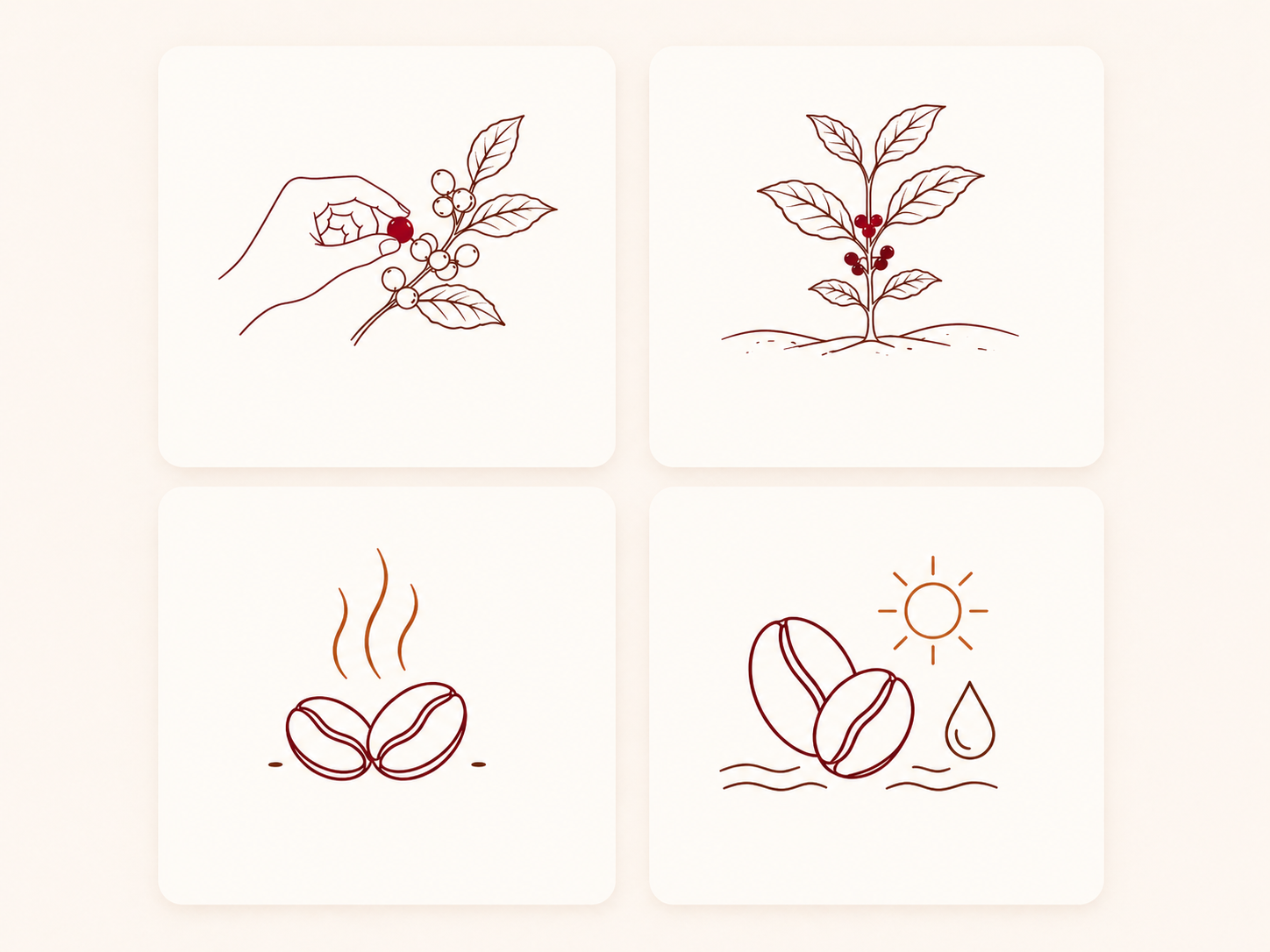
- Meticulous Farming: Grown in ideal climates with extreme attention to detail by dedicated, specialized farmers.
- Hand-Picking: Usually, only ripe coffee cherries are carefully hand-picked to ensure the highest quality.
- Expert Processing: Beans are processed with immense care to highlight their unique characteristics. Learn more about coffee processing methods
- Professional Roasting: Roasted precisely to bring out the best of their natural flavors without burning them. More about roasting profiles
- Transparency and Traceability: You can almost always trace the exact origin of the coffee (region, farm, and processing method).
What is the Difference Between Specialty and Regular Coffee?
The Core Difference: Unlike commercial coffee, which focuses on mass quantity and low prices, specialty coffee focuses on flavor, quality, and the unique experience each coffee bean provides.
For more information, read our article on the difference between specialty and regular coffee.
The Specialty Coffee Bean's Journey: From Farm to Cup
Every cup of specialty coffee is the culmination of a long and complex journey, during which the coffee bean goes through rigorous tests to ensure quality. Let's explore this magical journey together:
First: Farming and Harvesting (Where does the story begin?)
The story begins in tropical highlands, where coffee trees (from the premium Arabica species) are grown. At this stage, climate, soil type, and altitude (known as Terroir) play a fundamental role in shaping the initial flavor. Once the coffee cherries reach perfect ripeness and turn red, farmers hand-pick them cherry by cherry, ensuring ripe ones are not mixed with unripe ones.
[More on the importance of Origin and Terroir]
Second: Processing (The secret to flavor formation):
After harvesting, the green coffee bean must be extracted from the cherry. This is where "processing" comes in, which profoundly affects the final taste of your cup. There are two primary methods you will always encounter:
- Natural Process: Coffee beans are dried with their skin on under the sun, giving the coffee a full body and distinct fruity and berry-like notes.
- Washed Process: The skin and pulp are removed with water before drying, resulting in a clean cup with pleasant acidity and floral or citrus notes (like lemon or orange).
- [Discover the secrets of coffee processing methods]
Third: Roasting (Awakening dormant flavors):
This is the stage where green coffee beans transform into the aromatic brown beans we know. A professional roaster applies specific temperatures and times to develop the coffee's latent flavors. Roast levels vary (light, medium, dark) and affect the level of acidity, body, and prominent tasting notes.
[Learn about different roast levels and how to choose the right one for you] | [Browse our carefully roasted coffee collection]
Fourth: Grinding and Brewing (The final touch in your home):
The final step before enjoying your cup! Grinding coffee beans immediately before brewing preserves their volatile flavors. The grind size and brewing method (such as pour-over, espresso, French press) play a crucial role in extracting flavors perfectly.
[The ultimate guide to fresh grinding]
Key Factors That Determine the Flavor of Your Specialty Coffee
When you taste specialty coffee, you are tasting the result of the interaction of several factors:
- Origin: Just like grapes in wine, coffee tastes radically different depending on where it is grown.
- Ethiopian Coffee: Often floral, fruity, and tea-like.
- Colombian Coffee: Tends to be balanced, with caramel-like sweetness and medium acidity.
- Costa Rican Coffee: Often clean and bright with a crisp acidity.
- Processing Method: As mentioned, it greatly impacts the flavor of specialty coffee; washed is for clarity, natural is for fruitiness and sweetness, and the honey process is for a balance between the two.
- Roast Level:
- Light Roast: Retains the most origin characteristics, higher acidity, and a lighter body.
- Medium Roast: A balance between origin characteristics and roast flavors (like caramel and nuts). This is the most common choice for specialty coffee.
- Dark Roast: Roast flavors dominate (dark chocolate, smoky), lower acidity, heavier body. (Less common in specialty coffee to preserve origin notes).
How to Start Your Journey in the Specialty Coffee World?
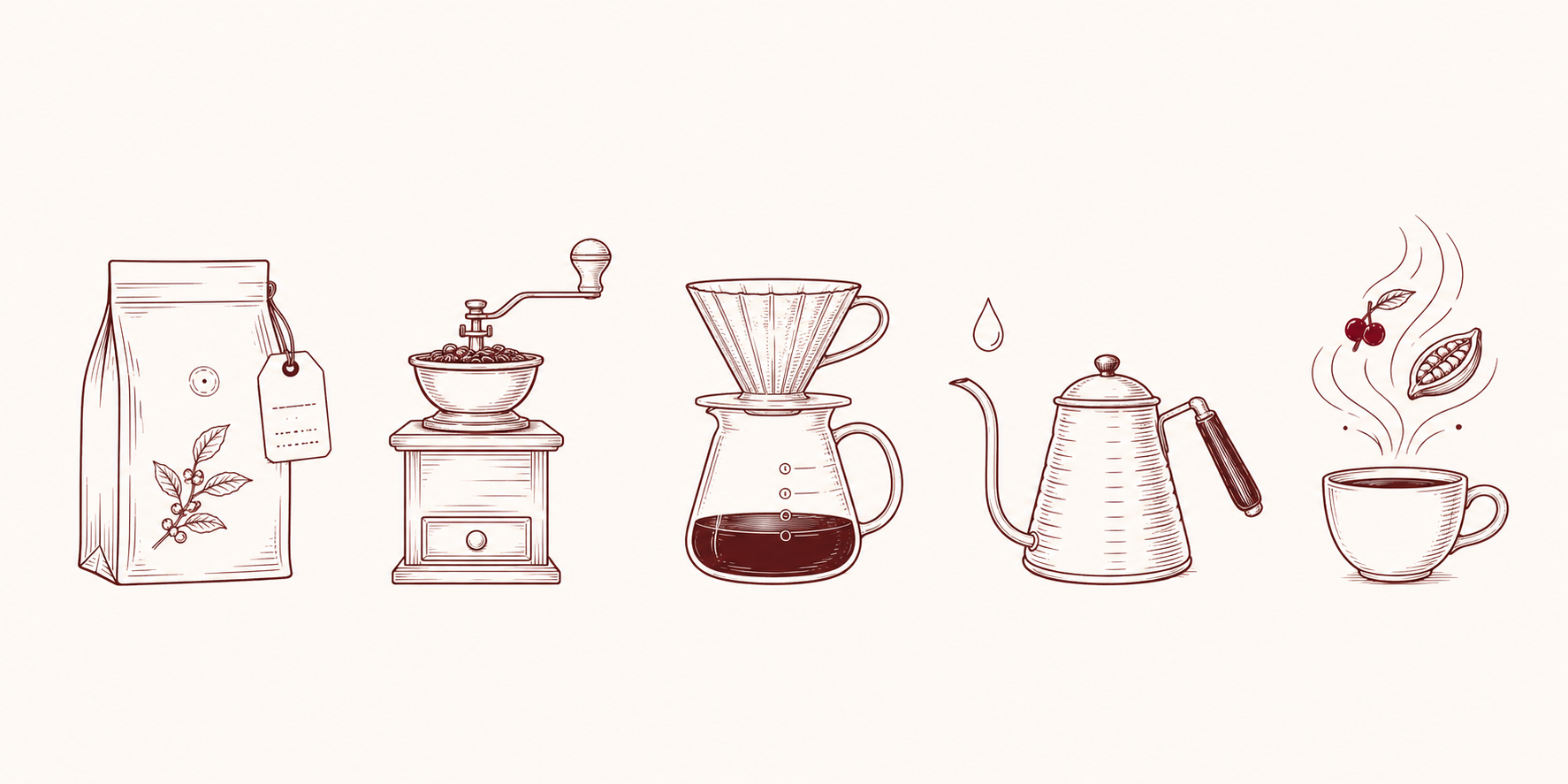
- Choose fresh whole beans: Look for the roast date on the bag. It is best consumed within a few weeks of roasting.
- Invest in a good grinder: Fresh and consistent grinding is the most important step to improve your home coffee. Burr grinders are far better than blade grinders.
- Try different brewing methods: Each tool highlights different aspects of the coffee:
- V60 / Pour-over: A clean and pure cup that highlights fine details.
- Aeropress: Versatile, produces a rich and fast cup.
- Chemex: Similar to pour-over but with a thicker filter, yielding a much cleaner cup.
- French Press: Produces a heavy-bodied coffee with distinct oils due to the lack of a paper filter.
- Home Espresso: Requires a larger investment but is the foundation for delicious milk-based beverages.
- Pay attention to water quality and temperature: Use filtered, high-quality water, and maintain the appropriate water temperature (usually between 90-96°C).
- Be a curious taster: Don't be afraid to try different coffee beans from various origins and processing methods. Notice the flavors and aromas you enjoy. Are they fruity? Chocolatey? Nutty? Floral?
Why Choose Specialty Coffee from Microlot?
At Microlot, we believe that specialty coffee is an experience worth caring about. We offer you:
- Careful Selection: We meticulously choose our crops from the best farms around the world.
- Fresh Roasting: We roast our coffee in small batches to ensure it reaches you at peak freshness.
- Comprehensive Information: We provide all the details about our coffee (origin, processing, tasting notes) to help you choose.
- Support and Expertise: Our team is ready to help you choose the right coffee or brewing tool for you.
- Passion for Quality: Our goal is to provide you with an exceptional specialty coffee experience in every cup.
The Next Step in Your Journey
You now have a deeper understanding of the wonderful world of specialty coffee. It's time to explore!
- Browse our carefully curated collection
- Discover the perfect brewing tools for you
- Read more on our blog
- Have a question? Don't hesitate to contact us
We hope this guide has ignited your curiosity and passion for specialty coffee. Enjoy every sip!