
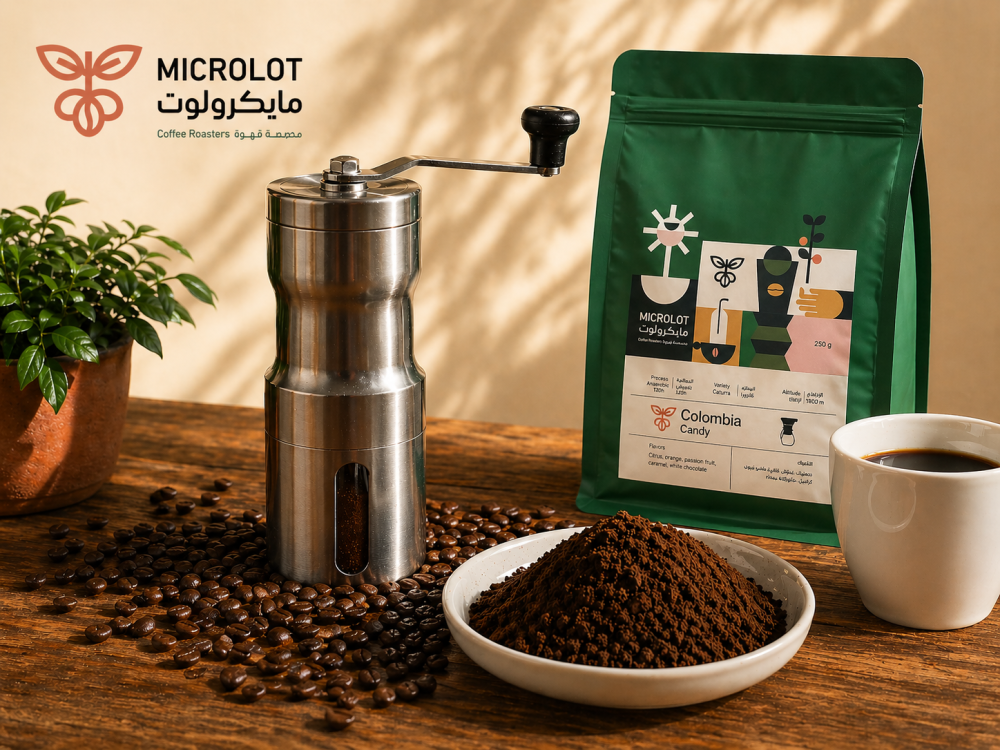
Fresh coffee grinding is a step many overlook, often dismissing it as a luxury. How many times have you set out to brew your perfect cup, carefully selected the best coffee beans, followed the ideal brewing methods, only to be surprised by a weak, unclear flavor? The problem isn't necessarily your beans or your technique. The culprit you might not have considered is the lack of a fresh grind!
What is fresh coffee grinding?
Fresh coffee grinding is the process of grinding roasted coffee beans just minutes before brewing. This preserves the aromatic compounds and natural oils that give coffee its full flavor and distinct aroma, which begin to dissipate rapidly once ground coffee is exposed to air.
What is the difference between freshly ground coffee and pre-ground coffee?
Pre-ground coffee, despite its apparent convenience, begins to lose its magic incredibly fast. Aromatic compounds evaporate, precious oils oxidize, and vibrant flavors fade away.
Today, we are here to discuss the importance of freshly grinding coffee and its impact on extracting flavor from the bean. Before we discuss the importance of fresh grinding, let's explore the chemistry of the coffee bean to understand what happens during the grinding process.
Coffee Chemistry: Aromatic Compounds and Precious Oils Inside the Bean
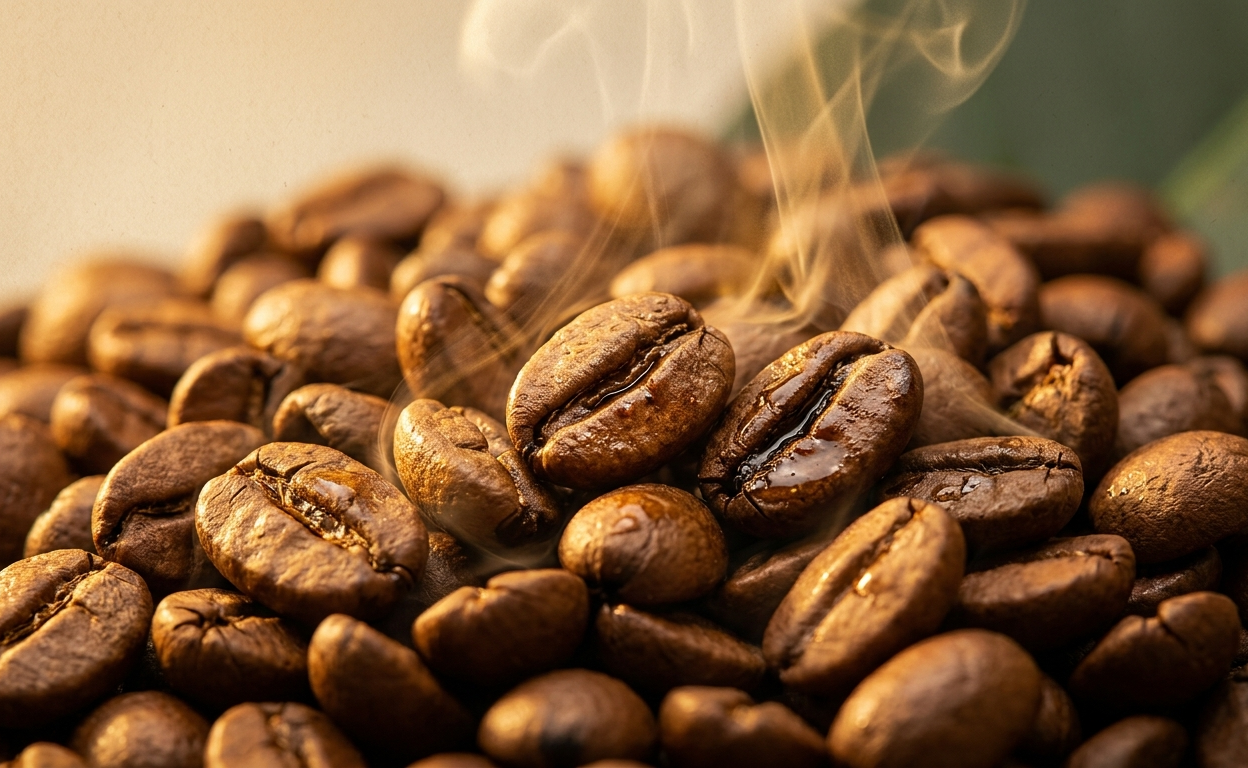
Roasted coffee beans contain hundreds of different chemical compounds that contribute to the complex flavor and aroma we love. The distinct flavor of coffee comes down to three main elements working together in delicate harmony:
- Volatile Aromatic Compounds: These are light molecules that dissipate into the air as soon as the bean's structure is broken. They give coffee its initial fragrance that precedes the first sip.
- Coffee Oils: These are fatty oils trapped within the cell walls of the bean. They carry the depth and body of the flavor, giving the cup its richness and fullness on the palate.
- Organic Acids: Such as citric and malic acid, which give coffee its brightness and vitality, balancing the sweetness and bitterness in the perfect cup.
When the bean is ground, these three treasures are released all at once, meaning every second that passes after grinding is a price your cup pays in flavor.
Reasons for Coffee Flavor Loss
- Oxidation: Grinding coffee increases the surface area exposed to air, causing oxygen to react rapidly with the coffee's components.
- Rapid Oil Degradation: The oxidation of natural oils leads to a rancid taste, similar to old oil or spoiled nuts.
- Fading Aromas: The compounds responsible for coffee's aroma evaporate quickly after grinding, causing the coffee to lose much of its appeal.
- Flat, Dull Flavors: The deterioration of certain compounds causes an undesirable papery or cardboard-like taste.
- Loss of Sweetness and Vitality: Oxidation weakens natural sugars and desirable acids, making the taste more bitter or unbalanced.
- Moisture: Ground coffee easily absorbs moisture from the air, which dilutes the flavor and accelerates spoilage.
- Loss of Carbon Dioxide: After grinding, CO2—an element linked to freshness that helps preserve subtle aromas—escapes rapidly.
The Importance of Fresh Grinding and Controlling the Perfect Extraction
The importance of freshly grinding coffee goes beyond just preserving initial flavor and aroma; it plays a pivotal role in extracting those flavors from the grounds into your cup. Grinding is the process that allows you to control how water interacts with the coffee, which is crucial for achieving a balanced, delicious cup.
Extraction efficiency increases with fresh grinding. Fresh coffee particles absorb water more evenly, transferring flavors into the cup more efficiently and with a result that can be controlled according to your desired brewing method.
- Aromatic compounds evaporate quickly after grinding: A coffee bean contains hundreds of aromatic compounds that begin to evaporate as soon as it is ground, with a significant portion lost within just a few minutes.
- CO2 protects flavor from oxidation: The whole bean traps this gas inside as a natural barrier that slows the entry of oxygen, while pre-ground coffee loses it very quickly.
- Prevents the oxidation of natural oils and flavor degradation: These natural oils give the cup its depth and body. When exposed to air after grinding, they oxidize and produce a stale, rancid taste.
- Fresh grinding allows for precise particle size adjustment: You determine the appropriate grind size for your method, controlling the extraction speed and flavor balance in every cup.
- Control over the appropriate grind size: Depending on your preferred brewing method.
Different Grind Sizes and Their Importance for Every Brewing Method
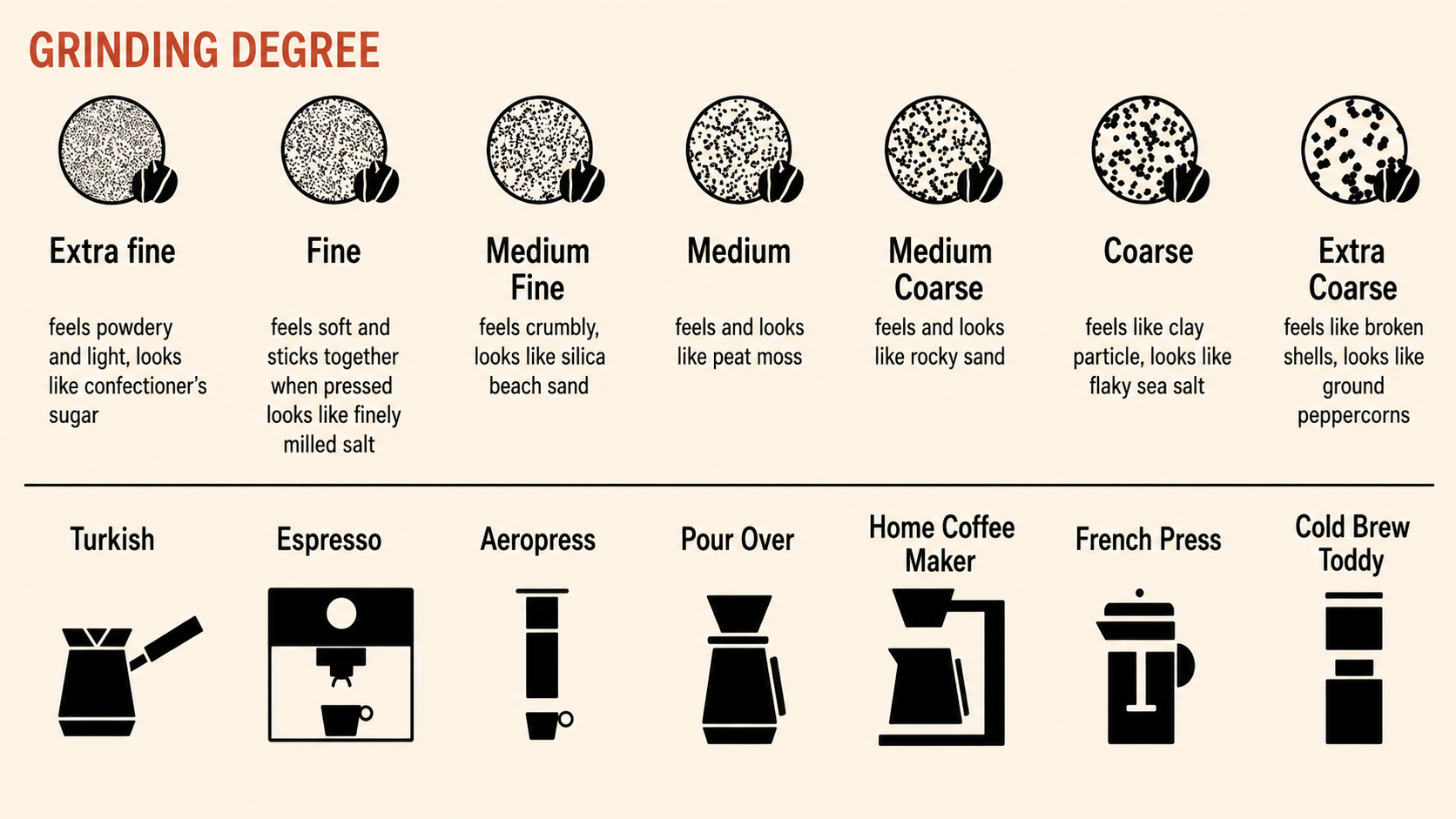
There is no single grind size that suits all coffee brewing methods. Every method (Espresso, Pour-over, French Press, Moka Pot, etc.) has a different contact time between water and coffee, a different filter design, and a different pressure. Therefore, each requires a specific grind size to achieve optimal extraction.
But how do you achieve optimal extraction? First, let's understand what the extraction process actually is:
What is the extraction process?
Extraction is the process of dissolving flavor compounds from ground coffee into water.
What are the levels of extraction?
- Under-extraction: Occurs if the grind is too coarse for the brewing method, or the contact time is too short. Water passes through too quickly without dissolving enough flavors. The Result: Harshly sour, salty, weak, and thin-bodied coffee.
- Over-extraction: Occurs if the grind is too fine, or the contact time is too long. Water dissolves too many compounds, including undesirable ones that emerge at the end of the extraction process. The Result: Bitter, dry (astringent) coffee that is unpleasantly strong.
- Optimal Extraction: This is the delicate balance where the right amount of desirable flavors (sugars, fruity acids, oils) are extracted without reaching the bitter compounds. The Result: A balanced, sweet coffee with pleasant acidity, good body, and clear, complex flavors.
The primary key to controlling this process starts with one step: choosing the right grind size for your method. Here are the different grind sizes and the brewing methods they suit:
- Espresso: Requires a very fine grind, similar to powdered sugar or fine salt. The extraction time is very short (20-30 seconds) under high pressure, so the surface area must be very large to allow for rapid extraction. Precision grinding is critical for espresso.
- Pour-over / V60 / Chemex: Requires a medium grind, similar to coarse sand or sea salt. The contact time is longer (2-4 minutes). A medium grind allows water to flow appropriately for a balanced extraction. It provides room for experimentation within the medium range.
- French Press: Requires a very coarse grind, similar to breadcrumbs or coarse sea salt. The steeping time is long (about 4 minutes), and the metal filter allows fine particles and oils to pass through. A coarse grind prevents over-extraction and minimizes sludge in the cup.
- Moka Pot: Requires a relatively fine grind—finer than pour-over but slightly coarser than espresso.
How do you know if your coffee grind is right?
You don't need equipment; your taste is enough:
- Too bitter? The grind is too fine; make it slightly coarser.
- Sour or watery? The grind is too coarse; make it slightly finer.
- Balanced and enjoyable taste? You've reached your destination.
Practical Tips for Keeping Your Coffee Fresh:
- Grind only what you need for each individual session.
- Store whole beans in an airtight container away from light and moisture.
- Do not store ground coffee, as it loses its flavor within just 15-30 minutes.
- Grind right before brewing, not an hour or a day before.
How to Choose the Right Grinder?
Now that we are completely convinced of the importance of freshly ground coffee, the next logical step is to get the tool that allows us to do this at home: a coffee grinder. It may seem like an extra investment, but it is undoubtedly the most impactful one; it allows you to radically improve the quality of your home coffee, perhaps even more importantly than the brewing machine itself. However, not all grinders are created equal. Let's explore the different types of coffee grinders and which one is right for you:
Blade Grinders: Are they enough?
These are among the cheapest and most common types found in general stores. They operate with a metal blade spinning at very high speeds, similar to a small blender, "chopping" the coffee beans into smaller pieces.
- Pros: Inexpensive, small footprint, relatively easy to use and clean.
- Cons (and they are significant!):
- Completely inconsistent grind: They produce a random mix of fine dust and large chunks (fines and boulders). There is no real control over grind size other than runtime. This inevitably leads to uneven extraction (bitter parts and sour parts in the same cup).
- Heat generation: The high-speed spinning blades generate significant friction heat, which can heat the ground coffee and start to slightly "cook" it, destroying some sensitive aromatic compounds before brewing even begins.
- Completely unsuitable for espresso: It is impossible to achieve the fine, consistent grind required for espresso using a blade grinder.
- The Verdict: While better than nothing (i.e., better than weeks-old pre-ground coffee), a blade grinder is not a good option for anyone serious about improving their coffee quality. It prevents you from achieving the necessary consistency and control. If you have a very tight budget, it might be a temporary starting point, but your goal should be to upgrade to a burr grinder.
Burr Grinders: The Optimal Choice for Quality
Burr grinders operate on a completely different mechanism. They contain two burrs—one stationary and one spinning—made of ceramic or metal with sharp teeth. The coffee beans pass between these two burrs and are crushed and ground to a consistent, controllable size by adjusting the distance between the burrs.
- Pros:
- Highly consistent grind: They produce remarkably uniform coffee particles, leading to balanced extraction and purer, clearer flavors.
- Precise grind control: They allow you to accurately adjust the grind size to suit any brewing method, from ultra-fine espresso to coarse French Press.
- Less heat: They operate at much slower rotational speeds than blade grinders, minimizing heat generation and preserving the integrity of aromatic compounds.
- Cons: More expensive than blade grinders, can be larger and more complex to clean (though it's worth the effort).
- The Verdict: The burr grinder is the preferred and highly recommended choice for all serious coffee enthusiasts. It is the tool that truly unlocks the benefits of grinding coffee at home and achieving cafe-level quality. The difference in cup quality between a blade grinder and a burr grinder is massive.
Conical vs. Flat Burrs
Within burr grinders, there are two main types of burrs:
- Conical: An outer serrated burr and an inner cone-shaped burr. They tend to spin slower, generate less heat, and are sometimes quieter. Common in many home and manual grinders. They produce a good particle size distribution.
- Flat: Two parallel, flat, serrated burrs. Often found in commercial grinders and high-end espresso grinders. They may produce a slightly more consistent grind at the fine end (for espresso) but can spin faster and generate slightly more heat.
For general home use, both types can produce excellent results. Don't let this detail overwhelm you at first; the most important thing is choosing a burr grinder with good build quality and positive reviews.
Manual or Electric? Selection Considerations
Once you decide to invest in a burr grinder, another decision awaits: manual or electric?
Manual Burr Grinders:
- Pros: Portable and ideal for travel, require no electricity, very quiet, often offer excellent grind quality for a lower price than their electric counterparts of similar quality, and give you a sense of connection to the brewing process.
- Cons: Require physical effort and time (especially for large quantities or fine grinds like espresso), may have a small capacity.
- Ideal for: Coffee lovers who brew one or two cups at a time, travelers, those who appreciate quiet and hands-on experiences, or those seeking the best grind quality on a budget. The choice between manual and electric depends on your lifestyle.
Electric Burr Grinders:
- Pros: Fast and convenient, easily grind larger quantities, ideal for frequent daily use or brewing for family/guests, often include extra features like timers or programmable dosing.
- Cons: More expensive, larger, require electricity, and produce noise (some more than others).
- Ideal for: Easy and quick daily use, preparing large quantities, espresso enthusiasts (many electric grinders are designed specifically for it), and those who prefer convenience over physical effort.
Your choice depends on your budget, coffee habits, and how you weigh convenience against portability and quality. Both can be excellent choices as long as they are quality burr grinders.
Practical Tips for Maximizing the Benefits of Fresh Grinding
You now understand the importance of fresh coffee grinding and have invested in a good burr grinder. Great! Here are some practical tips to ensure you get the best possible results consistently:
First: When to grind? The Golden Rule: Right before brewing
This is the single most important piece of advice: grind your coffee just moments before starting the brewing process. Do not grind in the morning for the afternoon, and do not grind enough for two or three days. Remember, the countdown to flavor loss begins immediately after grinding.
The Ideal Routine:
- Weigh the amount of coffee beans you need for your recipe.
- Place the beans in the grinder.
- Grind the beans.
- Use the ground coffee immediately to start brewing (whether that's heating water for pour-over or prepping an espresso puck).
This is unequivocally the best time to grind coffee. Adhering to this simple rule guarantees you get the most out of your beans' freshness.
Second: Storing Whole Coffee Beans Correctly: Preserving the Source
Since you'll be grinding your coffee fresh, you need to know how to keep the whole beans themselves fresh for as long as possible after roasting.
- The Enemies: Air, moisture, heat, and light.
- The Solution:
- Airtight, opaque container: Use a dedicated coffee storage container that is airtight to prevent air and moisture from entering, and opaque to block out light. Ceramic or stainless steel containers are ideal. The original bag the coffee comes in (if it has a one-way degassing valve and a zip seal) can also be good for the short term.
- Cool, dark, dry place: Store the container in a kitchen cabinet away from the oven, direct sunlight, or any source of heat or moisture.
- Avoid the fridge or freezer (mostly): While it might seem logical, storing coffee in the fridge or freezer can cause problems. Condensation when taking it in and out can introduce moisture. Coffee is also porous and easily absorbs odors from other foods. The only exception is long-term deep freezing of large, unopened quantities in completely airtight containers, but for daily use, a cabinet is best.
- Buy in small quantities frequently: Instead of buying a large batch of beans that will last for months, try to buy only what you need for a week or two to ensure maximum freshness close to the roast date.
- Preserving coffee flavor starts before grinding, through the proper storage of whole beans.
Third: Cleaning the Grinder Regularly: Pure Flavor and Better Health
Over time, coffee grounds and oils accumulate inside your grinder, especially around the burrs. These residues can oxidize and become rancid, negatively affecting the flavor of your freshly ground coffee. Excessive buildup can also impact the grinder's performance and grind consistency.
Routine Cleaning (Every few days or weekly):
- Use a small cleaning brush to remove any grounds stuck in the coffee chute and around the burrs (if easily accessible).
- Empty and clean the grounds catch bin.
Deep Cleaning (Every few weeks or monthly, depending on use):
- Consider using dedicated grinder cleaning products (pellets that pass through the grinder to absorb oils and residue). Follow the product instructions.
- If your grinder allows (check the manual), carefully remove the top burr and clean both burrs thoroughly with a brush to remove any oily or clumped residue. Do not use water to clean metal burrs unless the manual explicitly says so.
- Use a small air blower or a mini vacuum to remove fine dust from inside the grinding chamber.
- Keeping your grinder clean not only ensures a purer coffee flavor but also extends the life of the grinder and maintains its optimal performance.
If you've made it this far, it's clear you take your coffee seriously and are chasing that perfect moment of sensory pleasure that a great cup of coffee can provide. We've seen how the importance of freshly ground coffee is not just a minor detail, but a crucial factor that separates an ordinary cup from an exceptional one that awakens the senses.
Abandoning the convenience of pre-ground coffee and adopting the habit of grinding your own beans is like opening the door to an entirely new world of flavors, aromas, and control. It gives you the power to taste the true potential of the beans you've carefully selected, rewarding you with a more vibrant, complex, and satisfying cup every time. Investing in a good burr grinder is not just buying another kitchen appliance; it is a direct investment in the quality of your daily experience, in the moments of quiet reflection or invigoration that coffee brings you.
If you are still relying on pre-ground coffee, we strongly urge you to take the next step. Start by researching a burr grinder that fits your budget and needs (whether a simple manual one or an advanced electric one). Buy a bag of freshly roasted whole beans from a local roaster you trust. Try grinding your coffee yourself right before brewing, and notice the massive difference for yourself.
It might require a small change in your routine, but it's a change that will pay off manifold in every delicious sip. Remember, fresh coffee grinding is not a luxury; it is the foundation upon which a great coffee experience is built. Enjoy the journey to your perfect cup!
Frequently Asked Questions
Is it really worth buying a coffee grinder? Isn't coffee ground at the roaster enough?
Yes, it is absolutely worth it! As we explained, coffee loses a significant portion of its flavor and aroma within minutes of grinding due to the evaporation of aromatic compounds and oxidation. Even if the roaster grinds the coffee for you upon purchase, it will have lost a lot by the time you use it the next day or even a few hours later. Buying a grinder is the best investment you can make to improve your home coffee quality.
What is the fundamental difference between a blade grinder and a burr grinder?
A blade grinder chops the beans randomly and unevenly using a fast-spinning blade, producing fine dust and large chunks while generating heat. A burr grinder crushes the beans between two burrs to a consistent, controllable particle size, providing an even grind and less heat, which is critical for good extraction. The difference in grind quality between a burr and a blade grinder is vast.
Can I grind enough coffee for a few days and store it?
This is highly discouraged. The whole point of fresh grinding is to use it immediately. Storing ground coffee, even in an airtight container, will expose it to oxidation and aroma loss much faster than storing whole beans. The golden rule is: grind only what you need to brew right now.
I have a manual grinder, is it as good as an electric one?
Yes, many high-quality manual grinders (especially those with good burrs) can produce a grind quality that matches or even exceeds electric grinders in the same or slightly higher price bracket. The choice between a manual and electric coffee grinder primarily depends on convenience, speed, budget, and the volume of coffee you typically brew. The final quality depends on the quality of the burrs and the grinding mechanism itself.
How much should I spend on a good coffee grinder?
Prices vary wildly. Good manual burr grinders can be found starting around $50 and going up to hundreds of dollars. Good electric burr grinders typically start around $100-$150 and climb significantly based on features and precision (especially for espresso grinders). The general rule is: invest as much as you can reasonably afford in a burr grinder, as it is the foundation of your coffee.
Share Your Experience!
We are curious about your coffee grinding journey! Are you currently using pre-ground coffee, or do you grind your own beans? If you do grind, what kind of grinder do you use, and when did you notice the biggest difference in your coffee's flavor?
Share your story and experiences in the comments below! And don't forget to share this guide with friends who might benefit from discovering the importance of freshly ground coffee.
References
- Specialty Coffee Association (SCA): (Provides standards and protocols regarding coffee quality, including aspects of grinding and extraction). Example: Visit sca.coffee and explore their educational resources.
- Rao, Scott. (2014). The Coffee Roaster's Companion: (Despite the focus on roasting, the book discusses coffee science and its degradation after roasting and grinding.
- Hoffmann, James. (YouTube Channel and Website)James Hoffmann, a global coffee expert, offers detailed videos and articles on coffee techniques, including grinder reviews and explanations of the importance of grinding. Example: Search for "Grinder Reviews" or "Why Grind Fresh" on his channel.
- Barista Hustle: (An educational platform for baristas and coffee lovers, offering scientific and practical articles on extraction, grinding, and more). Example: Search for articles on "Grind Size Distribution" or "Oxidation in Coffee" at baristahustle.com.