
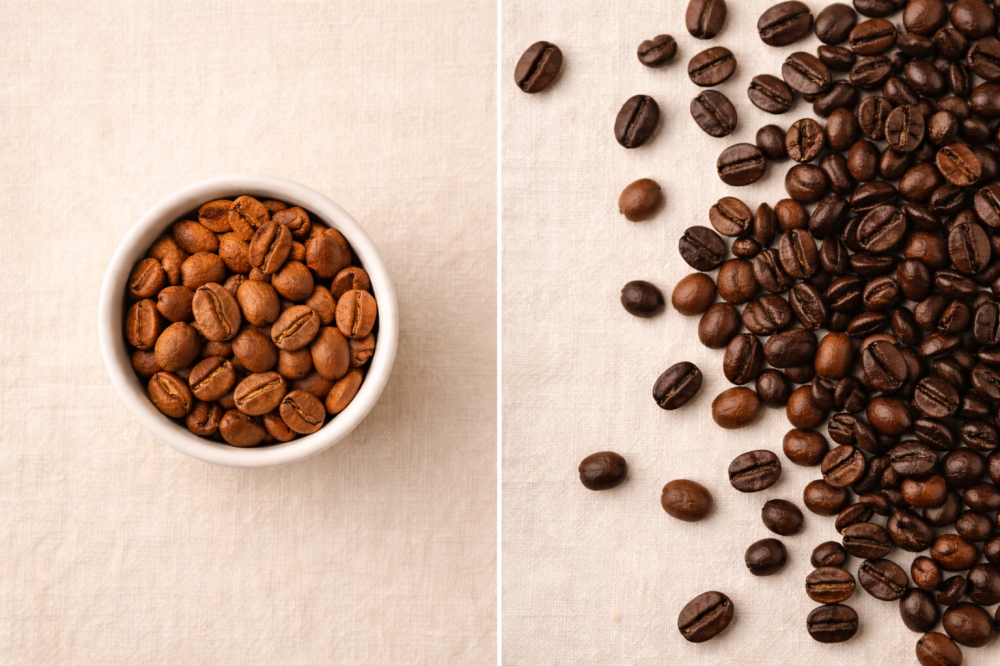
Coffee is one of the world's most beloved beverages, enjoyed across cultures and continents. Yet not all coffee is created equal. Two broad categories define today's coffee landscape: specialty coffee and regular (commercial) coffee. In this guide, we break down the real differences between them—in quality, preparation, sensory experience, and price—so you can decide which one is right for you.
Defining the Two
Specialty coffee is high-quality coffee evaluated and scored by certified experts, typically receiving 80 points or above out of 100. It is grown and harvested with exceptional care and processed with precision to bring out the best possible flavors in every cup.
Regular coffee is mass-produced coffee widely available in supermarkets and cafés. It is grown and processed using conventional methods that prioritize volume over quality, often blending beans from multiple sources and roasting them uniformly without focusing on unique flavor profiles.
The Key Differences
1. Quality and Origin
Specialty coffee is grown in specific regions known for their ideal coffee-growing conditions — such as Ethiopia, Colombia, and Kenya. Every stage of production is handled with attention to detail, from soil and altitude to harvest timing.
Regular coffee may be sourced from various regions and blended from multiple origins. Quality can vary significantly, with the focus placed on high-volume production rather than distinctive character.
2. Farming and Processing Methods
Specialty coffee relies on sustainable, precise farming and processing practices. Beans are handpicked at peak ripeness and processed using carefully chosen methods — such as natural sun-drying or wet processing — to highlight specific flavor qualities.
Regular coffee is typically harvested mechanically and processed using fast, conventional methods designed for maximum efficiency and output.
3. Roasting and Flavor
Specialty coffee is roasted in small batches under the supervision of skilled roasters who aim to bring out complex, unique flavor notes. Depending on the origin and roast level, you might taste hints of fruit, spice, florals, or chocolate — flavors that tell the story of where the bean came from.
Regular coffee is roasted in large quantities, usually to a medium-to-dark level that masks any defects and delivers a consistent, familiar taste. Flavors tend to be bold and straightforward, without much complexity.
4. The Sensory Experience
Specialty coffee is presented as a complete sensory experience. The barista pays close attention to every detail of preparation and service, and the culture actively encourages tasting, exploring, and appreciating different flavor profiles.
Regular coffee is typically consumed as a quick and convenient caffeine fix. The sensory experience is simpler, focused on ease and accessibility rather than nuance.
5. Price
Specialty coffee generally costs more, reflecting the investment in quality at every stage — from careful farming and selective harvesting to small-batch roasting and skilled preparation.
Regular coffee is more affordable and widely available, a natural result of large-scale production and lower per-unit costs.
How Do You Know You're Drinking Specialty Coffee?
You don't need expertise to recognize it — the first sip will tell you. Here are the practical signs:
- The label tells a story: You'll find the farm name, country of origin, and sometimes even the farmer's name — not just "premium arabica blend"
- The flavor surprises you: A hint of berry, a touch of citrus brightness, or natural caramel sweetness — flavors you didn't expect from a cup of coffee
- The aroma stands out before brewing: Specialty beans have a distinct, rich fragrance even before they're ground
- The barista knows what they're serving: At a specialty café, the barista can tell you the bean's origin, processing method, and expected flavor notes
Is Specialty Coffee Worth the Higher Price?
The honest answer: it depends on what you're looking for.
If coffee is simply your morning caffeine ritual, regular coffee serves the purpose just fine. But if you're after an experience — a cup that changes with every origin, tells a story about a place in the world, and surprises you with flavors you didn't expect — then the price difference makes complete sense.
Think of it this way: the difference between specialty and regular coffee is like the difference between extra-virgin olive oil and generic vegetable oil. Both work. But one elevates the experience to an entirely different level.
Common Myths About Specialty Coffee
"It's only for experts and connoisseurs."
Not at all. Specialty coffee is for anyone who wants a better cup. No background or prior knowledge required — your first cup will teach you everything you need to know.
"You have to drink it black, no sugar or milk."
There are no rules here. Specialty coffee is often served without additions because its natural flavors are rich enough on their own — but if you want milk or sugar, you're completely free to add them.
"It's always bitter and sour."
Quite the opposite. Specialty coffee — especially light and medium roasts — is known for its natural sweetness and refreshing fruit-like acidity. It's nothing like the harsh bitterness many people associate with coffee.
"The higher price is just marketing."
The price reflects a real reality: hand-harvesting, precise processing, small-batch roasting, and a shorter supply chain that ensures fresh beans reach your hands. Every step has both a cost and a level of care behind it.
Know more about specialty coffee from our guide.
Order your special coffee from Microlot Collection!